 English (UK)English (UK)
Bergen op Zoom is a city with a rich and eventful history stretching back to Roman times. Throughout the centuries, the city has endured countless sieges and conquests, from Spanish troops in the 16th century to French rule and its eventual liberation in the Second World War by the Canadian army in 1944.
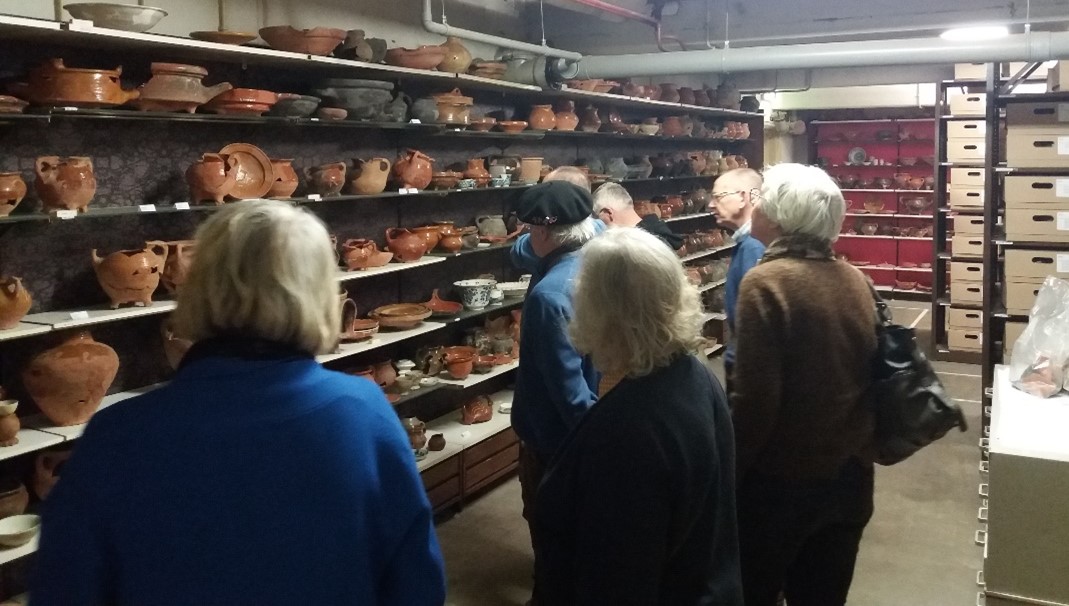
The history of Bergen op Zoom begins in Roman times, when the area was part of the province of Gallia Belgica. Archaeological finds have been made indicating Roman settlements and trade routes that passed through the region. In the early Middle Ages, Bergen op Zoom grew into an important trading centre, partly thanks to its location on waterways that connected the town to Flanders and Holland.
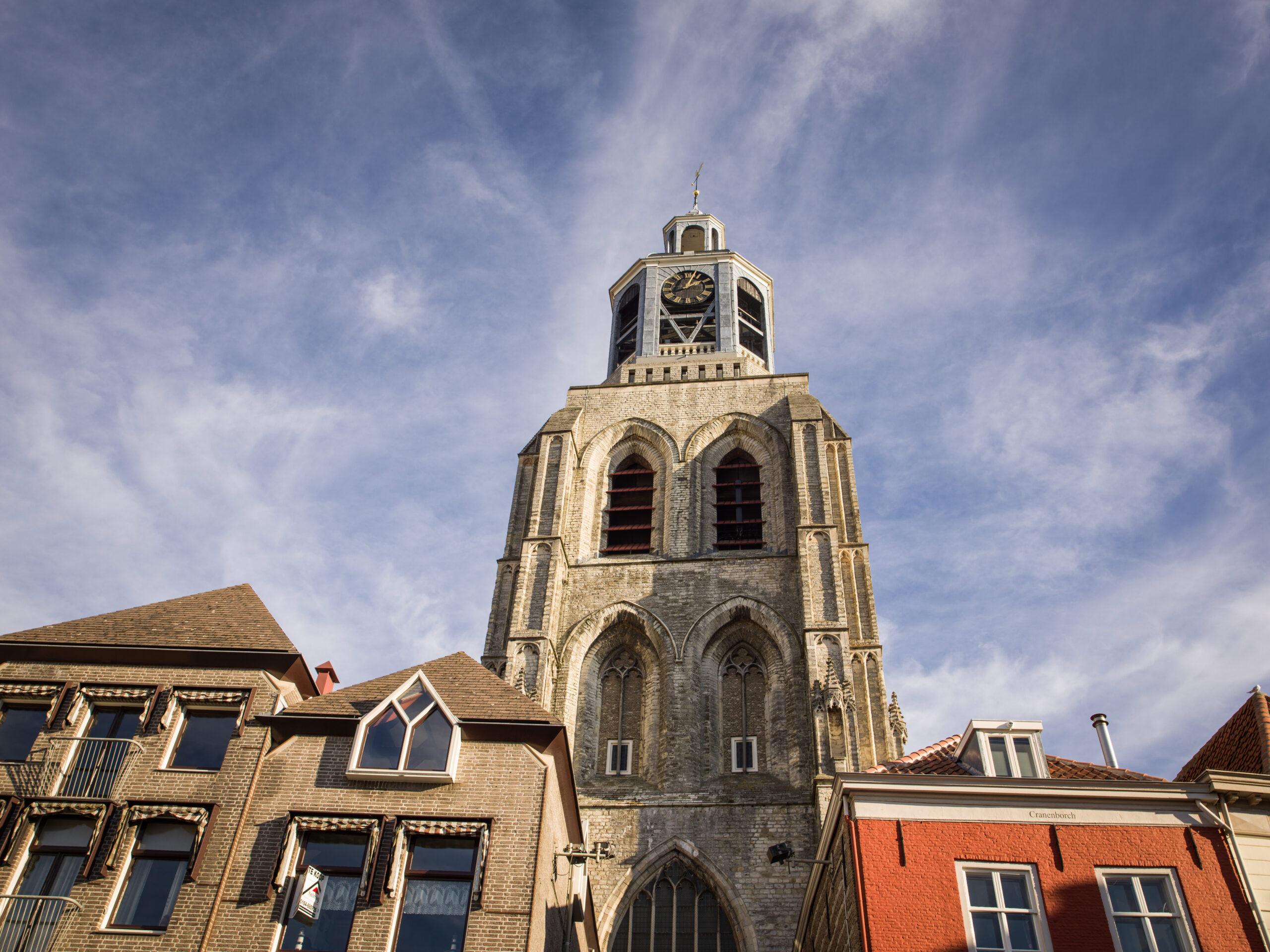
In the 13th century, Bergen op Zoom was granted city rights, which contributed to its growth and economic prosperity. The town developed into an important centre for trade and crafts. The influence of wealthy merchant families and the construction of imposing buildings, such as the Markiezenhof, are silent witnesses to this flourishing period.
During the Eighty Years' War (1568-1648), Bergen op Zoom played a strategic role in the struggle between the Dutch rebels and the Spanish rulers. The city was besieged several times, notably in 1588 by Spanish troops led by the Duke of Parma. Thanks to its strong fortifications and the help of English allies, Bergen op Zoom withstood the siege and remained in the hands of the rebels. This strengthened the city's position as an important stronghold of the Dutch Republic.
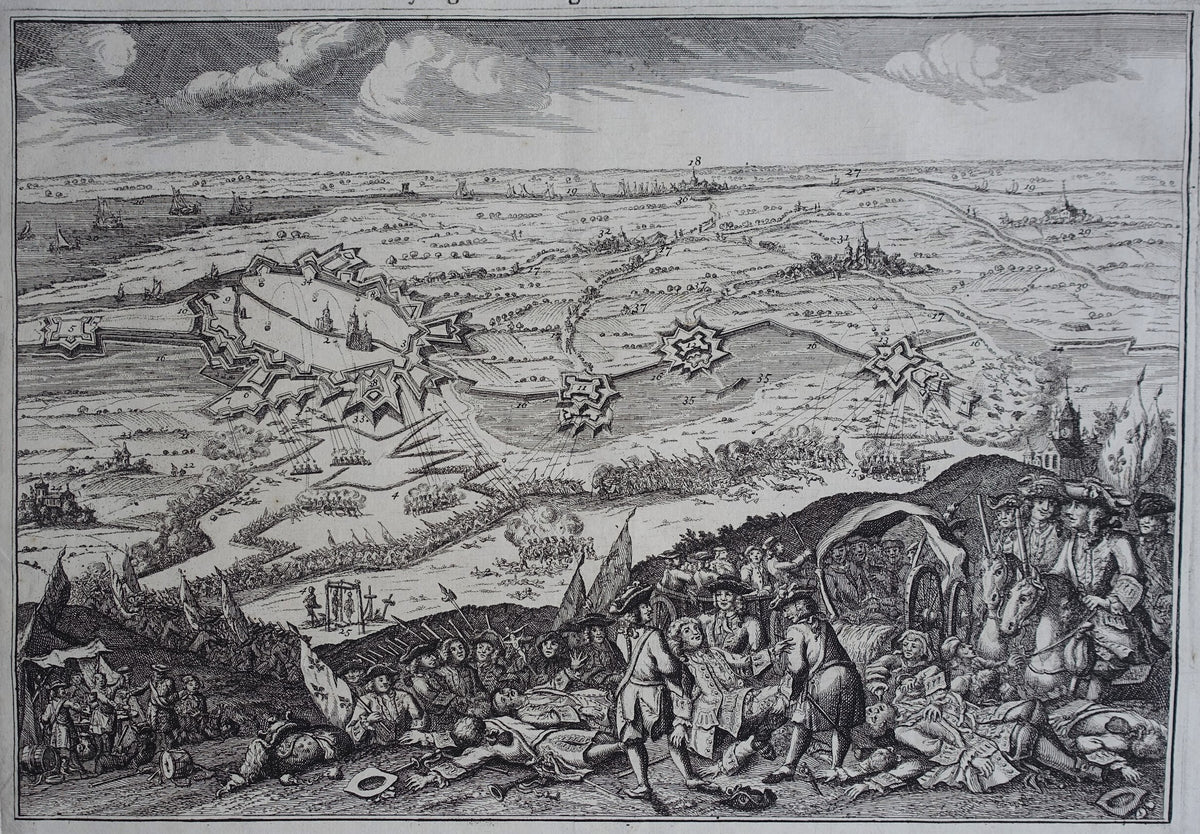
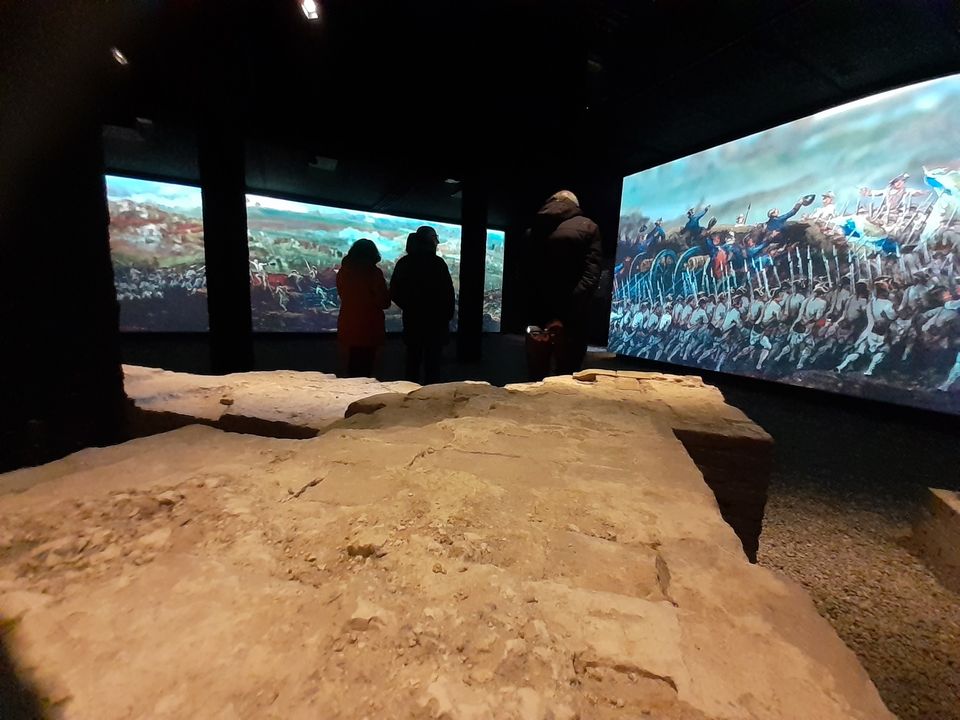
In the 18th century, Bergen op Zoom was once again the scene of war and siege. During the War of the Austrian Succession (1740-1748), the town was captured by the French in 1747 after a devastating siege. The French General Ulrich Löwendal led the attack and, despite the strong fortifications, managed to conquer the town. This was a major blow to the Republic, as Bergen op Zoom was considered impregnable.
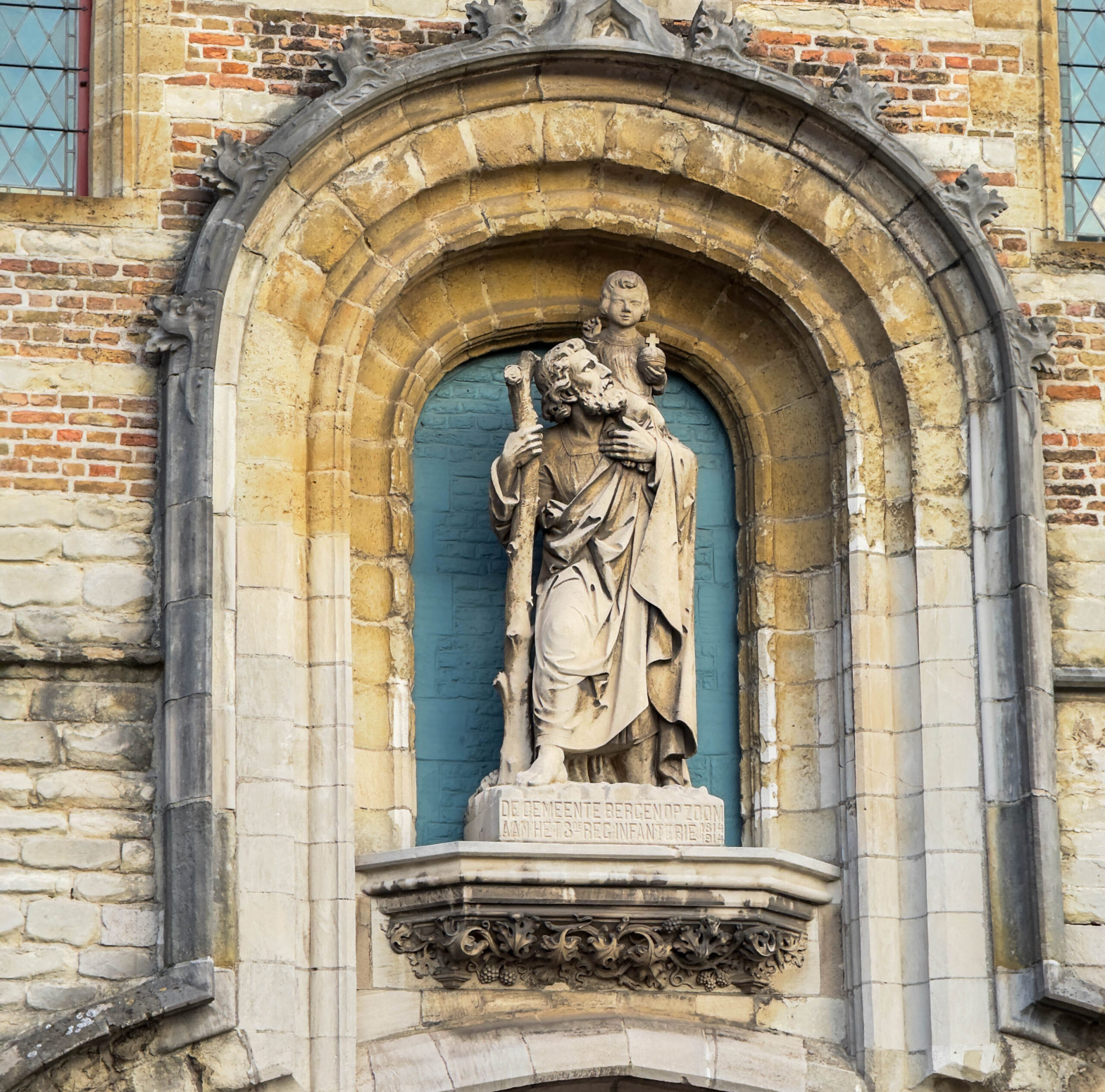
Later, during the French Revolution and the Napoleonic era, Bergen op Zoom was again occupied by French troops. The city became part of the French Empire until Napoleon was defeated and the city returned to Dutch hands in 1814.
During the Second World War, Bergen op Zoom was occupied by Nazi Germany in May 1940. The city suffered heavily under German occupation, and many residents faced repression and forced labour. In October 1944, Bergen op Zoom was liberated as part of the Allied operation to recapture West Brabant and Zeeland from the Germans.
On 27 October 1944, Canadian troops of the 4th Armoured Division entered the town after heavy fighting with the German occupiers. The Battle of Bergen op Zoom was part of the wider Battle of the Scheldt, which was crucial for making the port of Antwerp accessible for Allied supplies. The liberation of the town cost many soldiers their lives, which is commemorated today at the Canadian War Cemetery in Bergen op Zoom, where more than 1,100 Canadian soldiers are buried.
Bergen op Zoom has enjoyed a rich and turbulent history through the centuries. From a Roman settlement and a thriving medieval trading town to a fortified city that has endured countless sieges. The struggle against the Spanish, French rule, and the eventual liberation by the Canadians in 1944 mark the resilience of the city and its inhabitants. Today, Bergen op Zoom's historical heritage reminds us of its eventful past and its important role in Dutch history.
The content is protected by copyright. Copying is not possible.
 Nederlands Nederlands English (UK)
 Deutsch
 Français