 English (UK)English (UK)
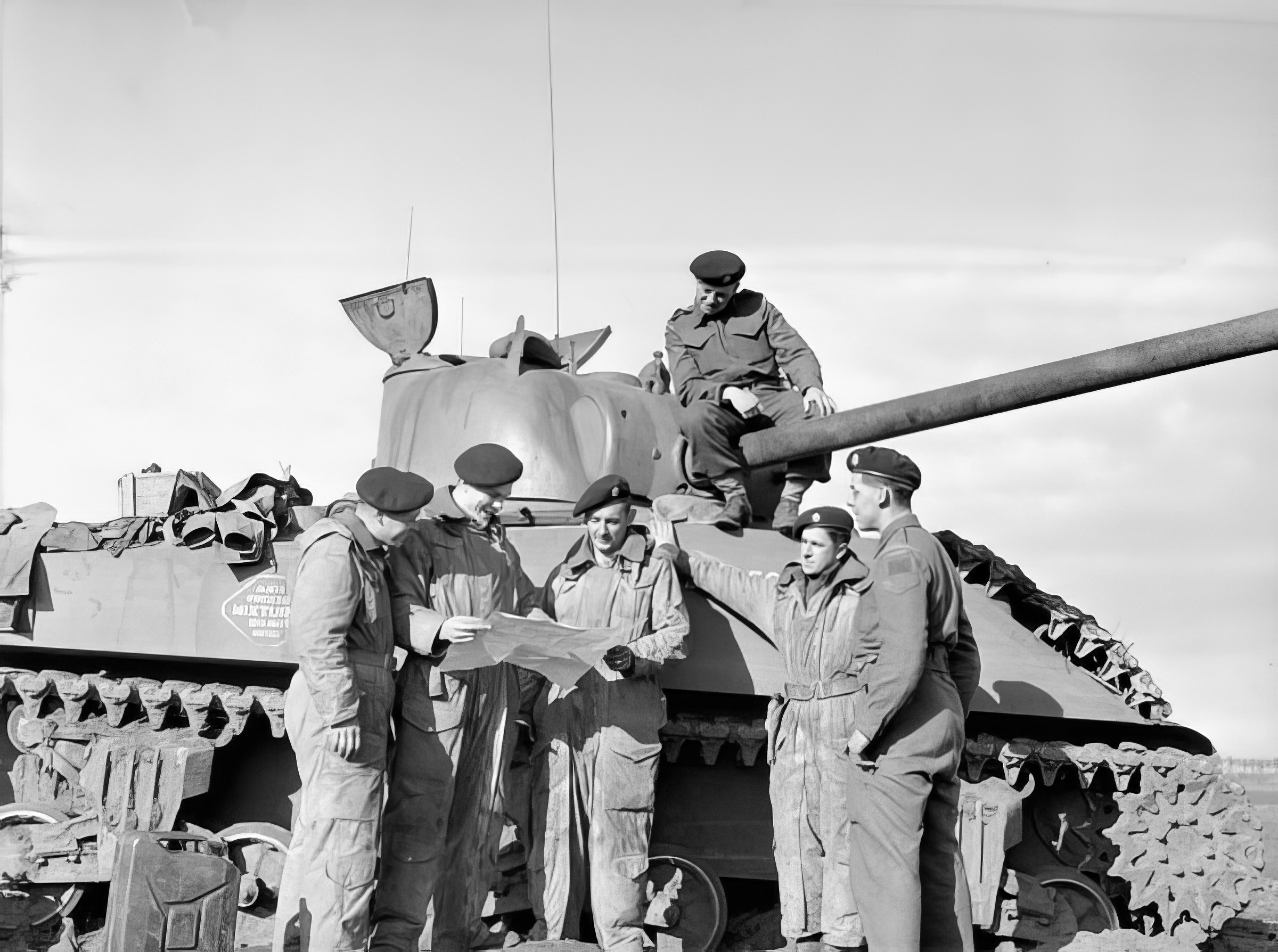
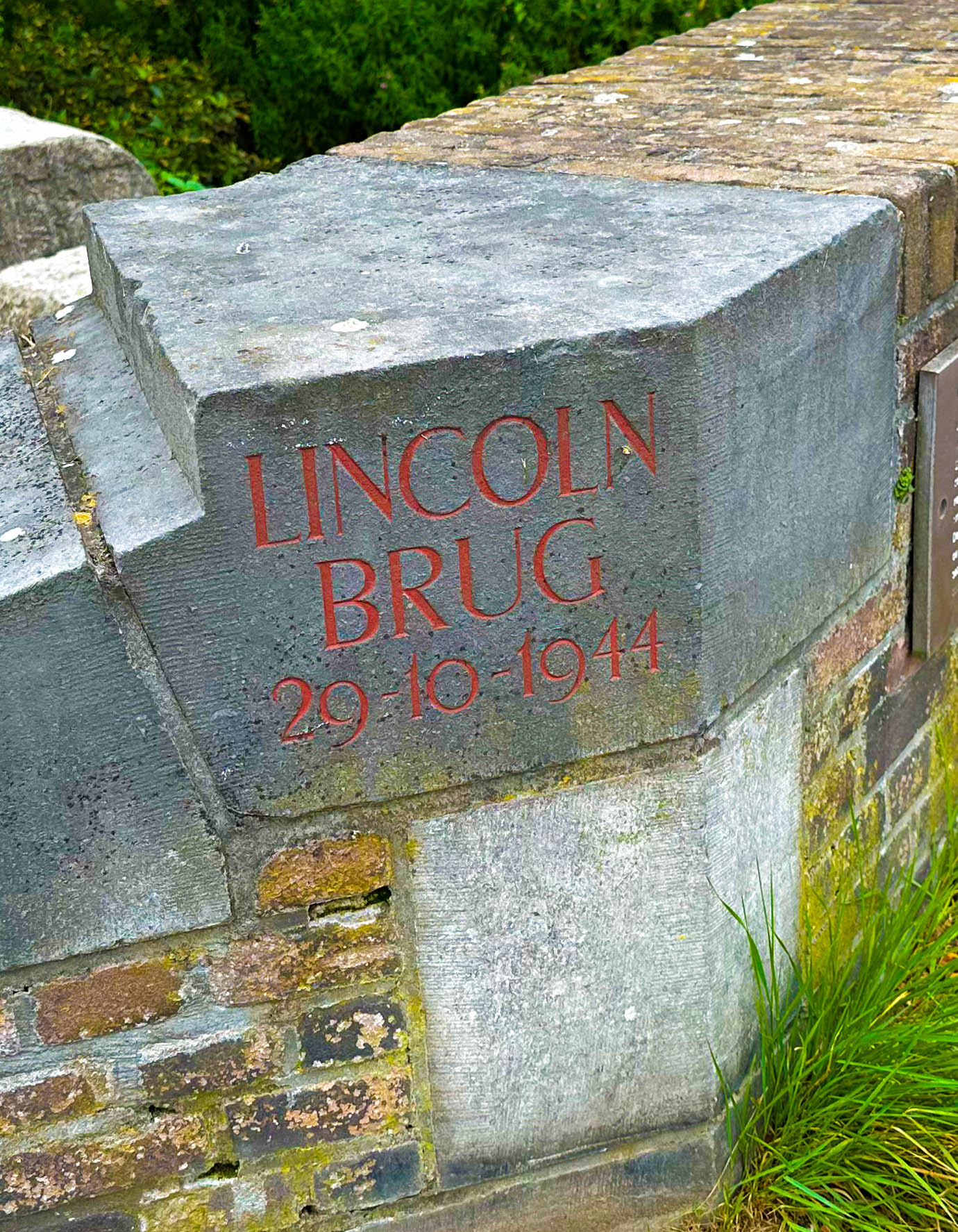
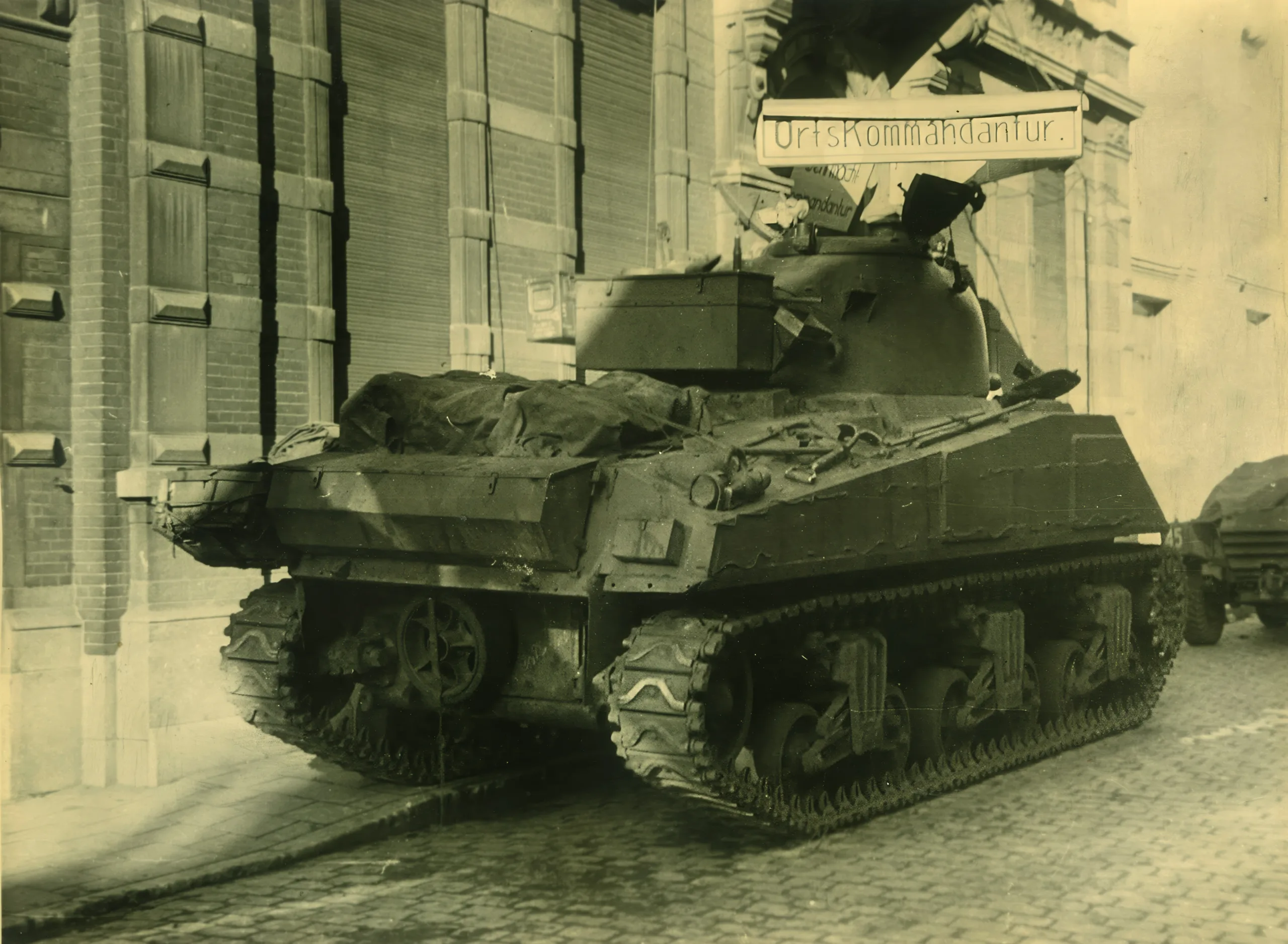
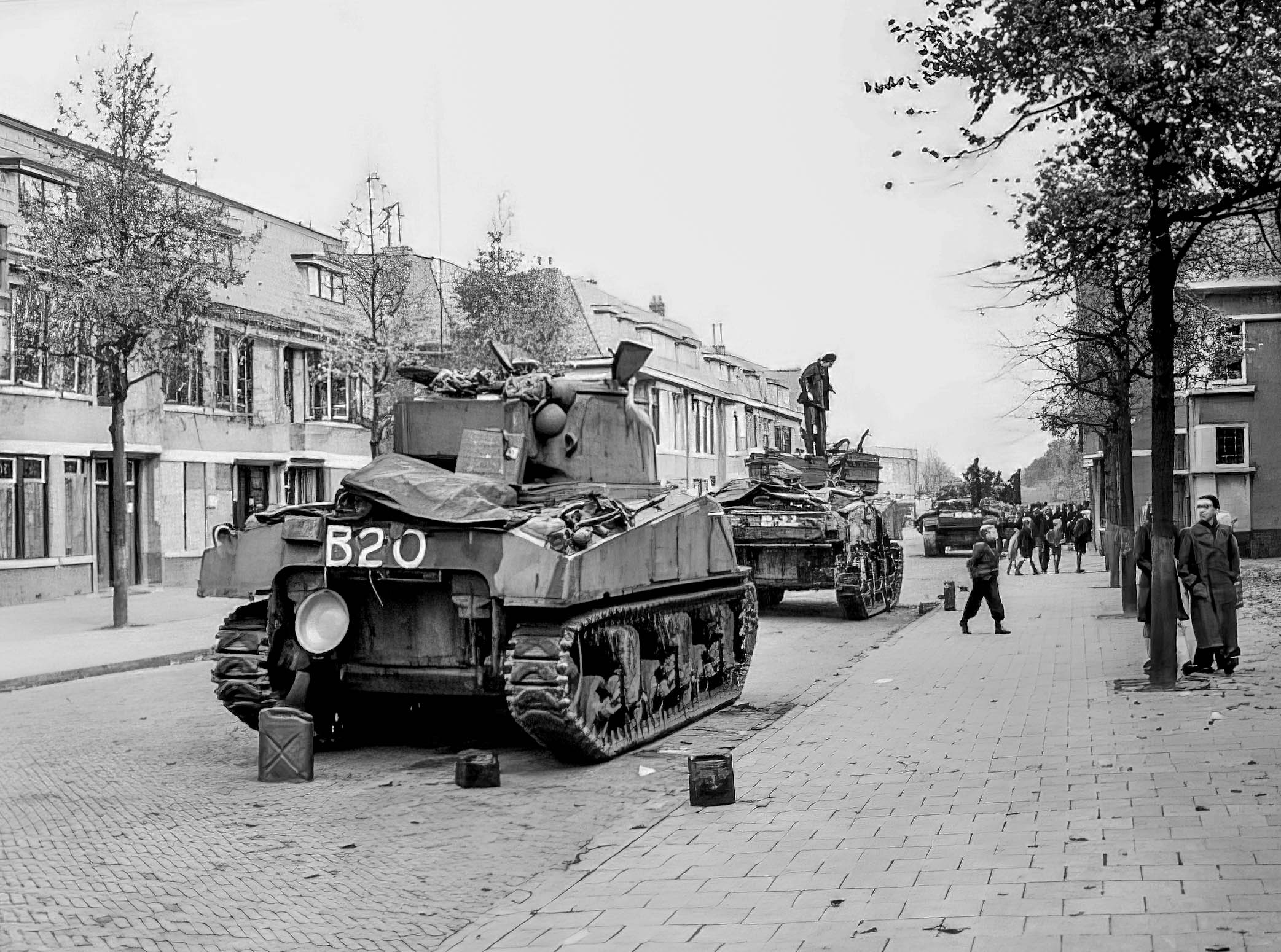
On 27 October 1944, the Canadian 4th Armoured Division was on the outskirts of Bergen op Zoom, and two infantry companies of the Lincoln and Welland Regiment had advanced mounted on tanks to a road just south and east of the town. The Canadian advance towards Bergen op Zoom forced Von Rundstedt, the German general defending this area, to redeploy the elite 6th Parachute Regiment, which had hitherto been blocking the 2nd Canadian Infantry Division's access to South Beveland in defence of Bergen op Zoom. The Algonquin Regiment attempted to outflank German positions at Steenbergen, just north of Bergen op Zoom, while the Governor General's Foot Guards were on their way to Steenbergen.
During the liberation of Bergen op Zoom, units primarily involved were from the 4th Canadian Armoured Division, part of the First Canadian Army. Within this division, the following regiments, among others, played a part:
In addition, supporting units were active, such as artillery, engineers, and reconnaissance units, which were essential for breaking through German defensive lines and securing the city.
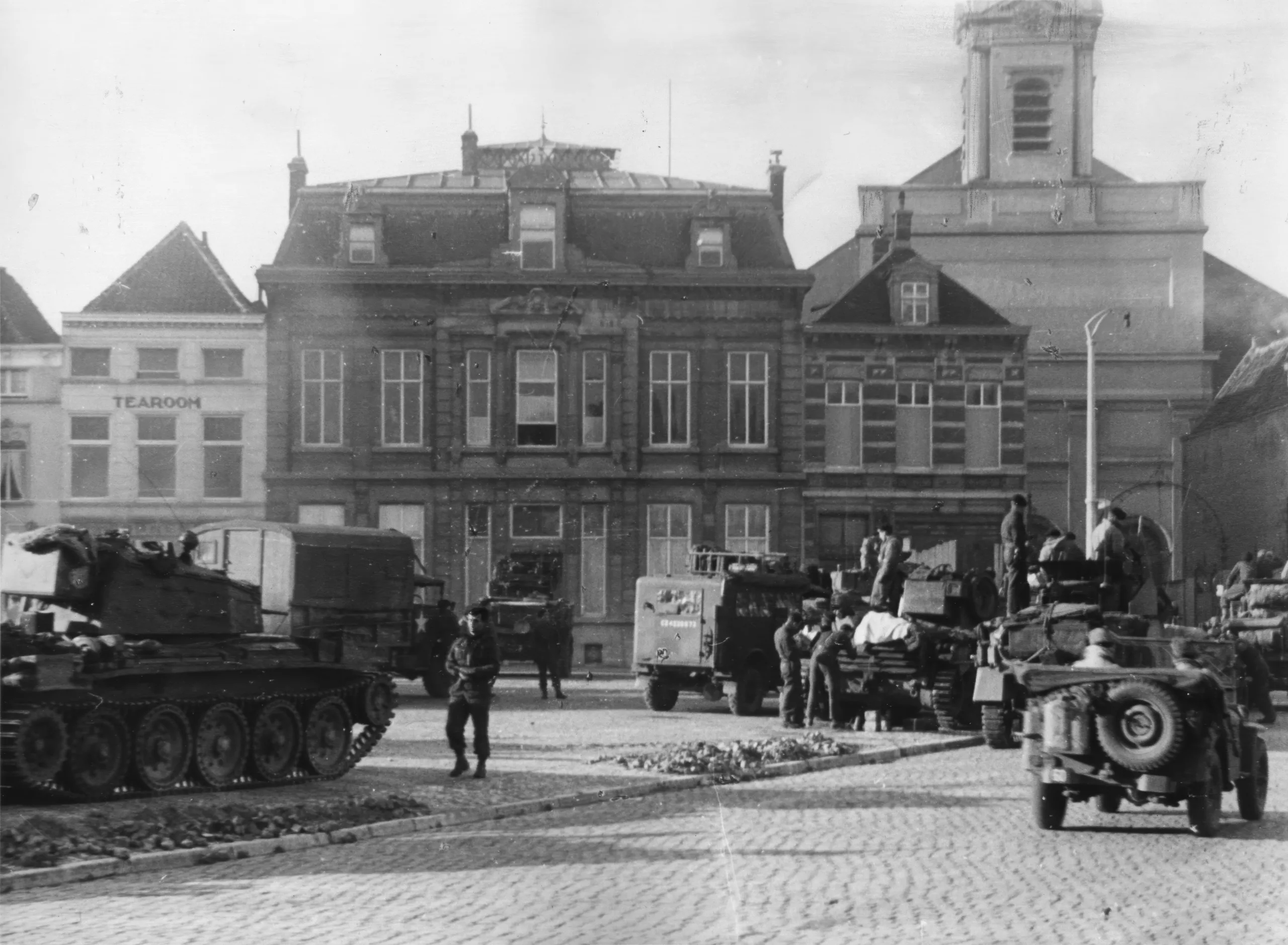
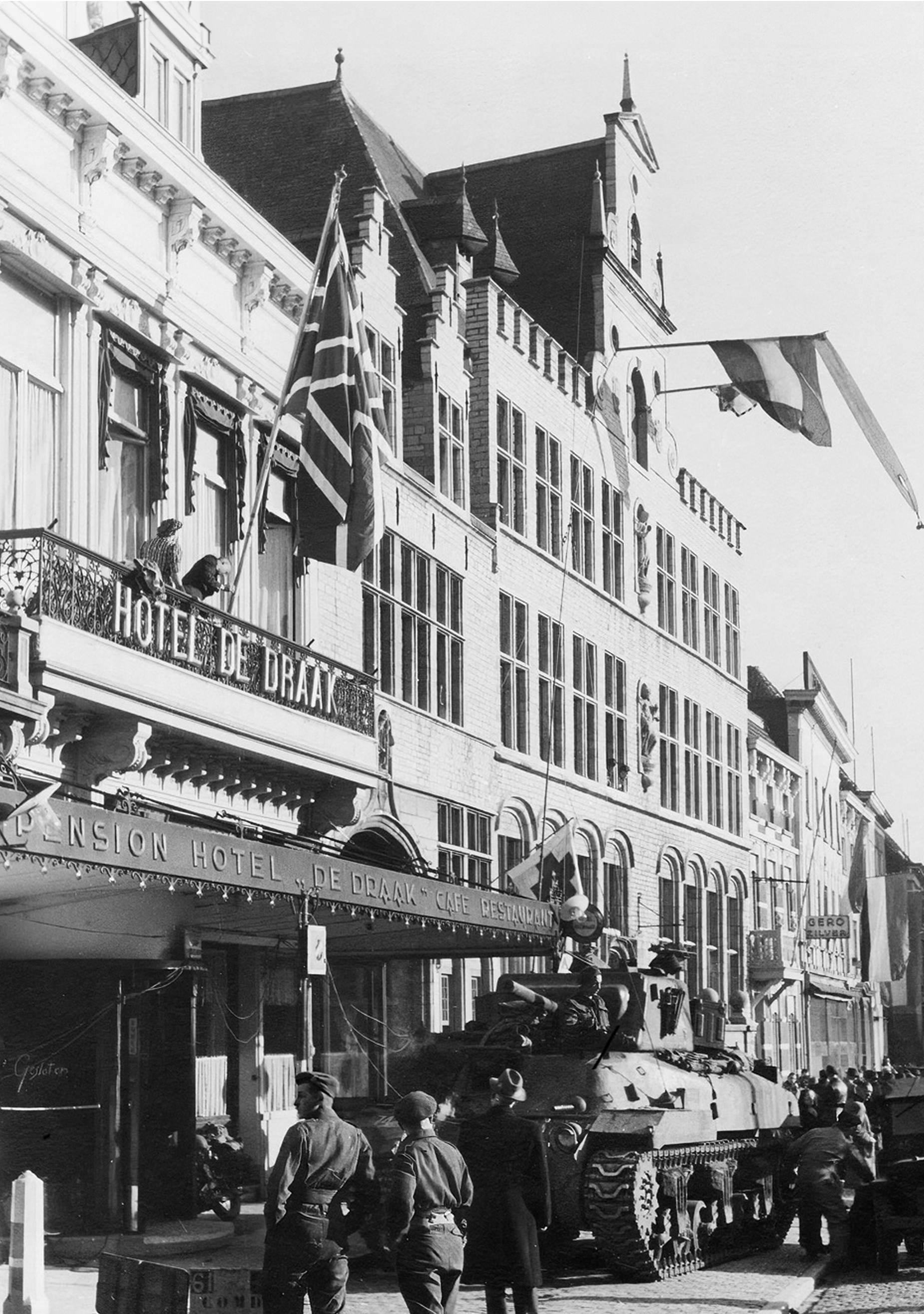
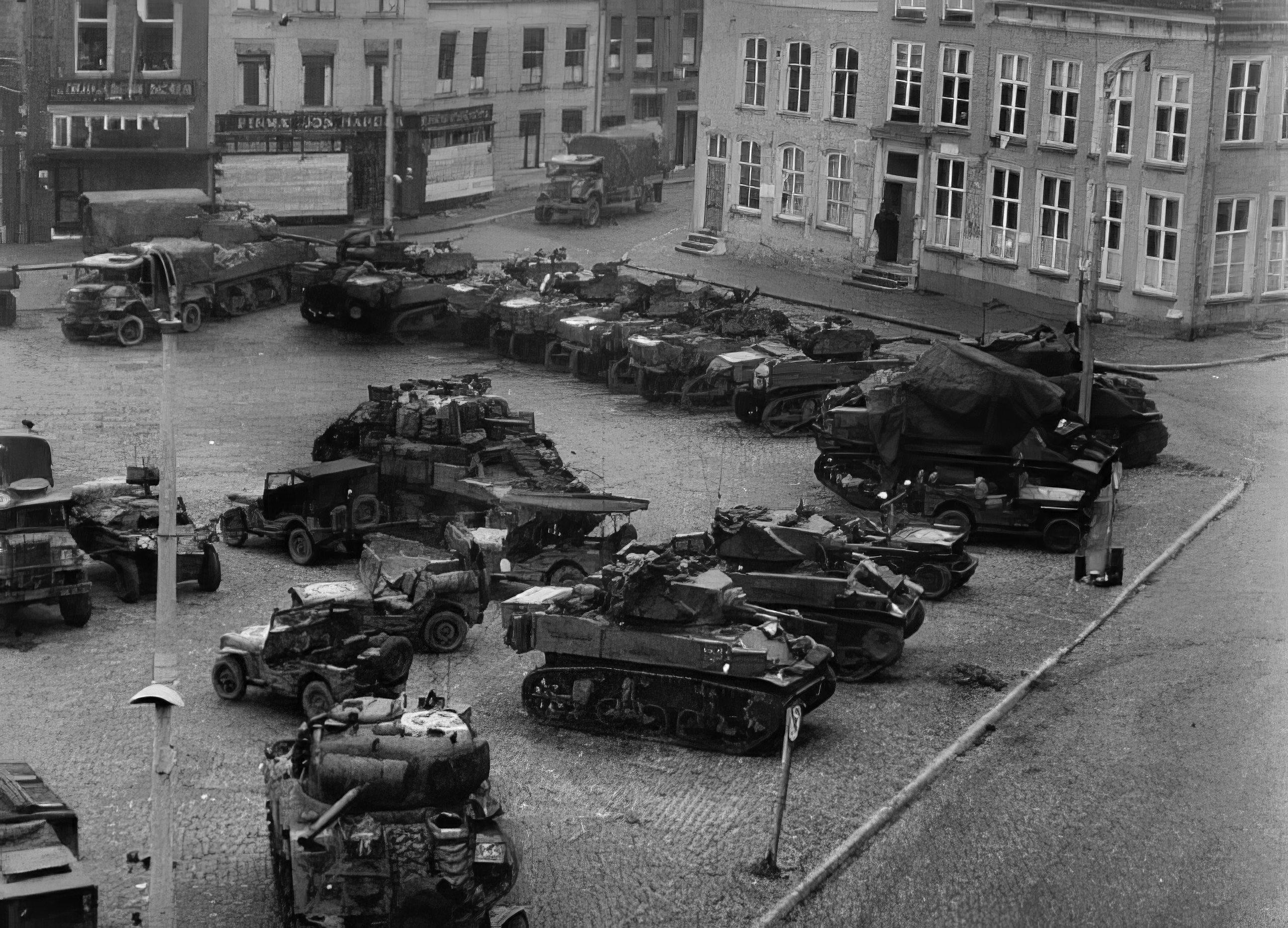
Following some confusion as to who was defending the town (primarily the 711th Infantry Division), the Lincoln and Welland Regiment, among others, advanced into the town the following day and entered the Grote Markt. They liberated most of the town, wherein it was reported that "the reception by the people of Bergen op Zoom was as enthusiastic and wild as has not been seen so far". However, the Germans still held the north of the town. The elite German 6th Parachute Regiment put up fierce resistance, using Panzerfausts and mechanised guns to take out Canadian tanks, but retreated to Steenbergen when the Foot Guards threatened to cut off their retreat. On 30 October, the Germans completely evacuated Bergen op Zoom and on the following day, the Algonquin Regiment and the Grenadier Guards attacked the village of Welberg just outside Steenbergen. However, the village was defended so powerfully by the 6th Parachute Regiment that eventually most of the Canadian 4th Armoured Division had to be deployed to take Welberg after three days of fighting.


The content is protected by copyright. Copying is not possible.
 Nederlands Nederlands English (UK)
 Deutsch
 Français