 English (UK)English (UK)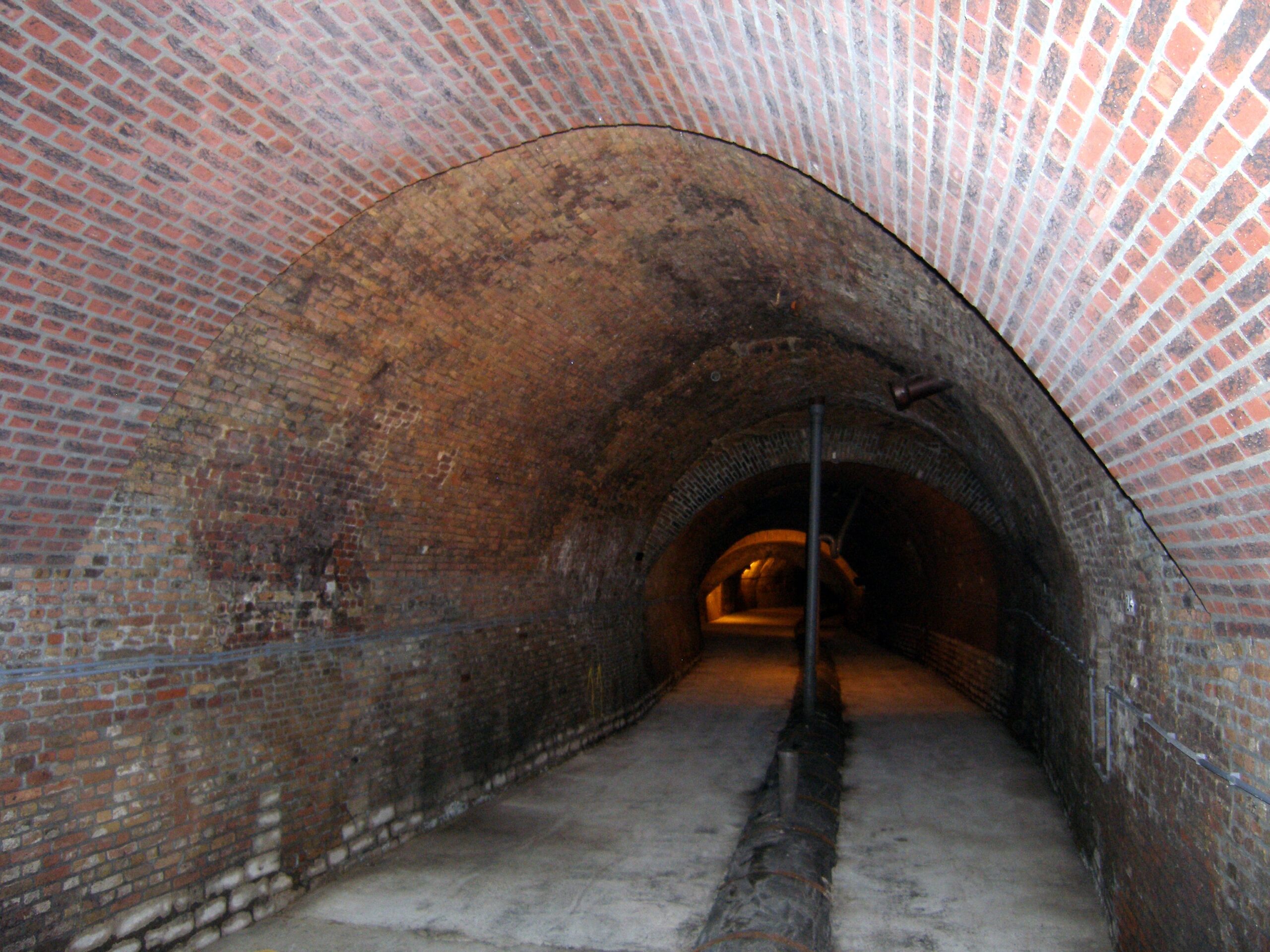
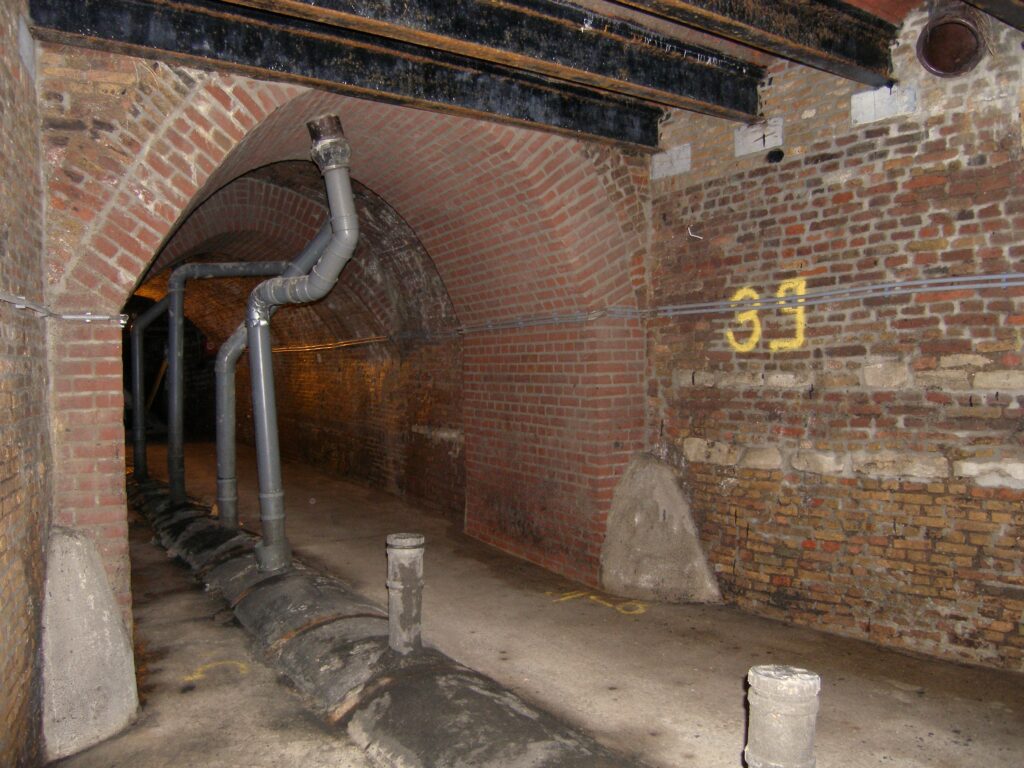
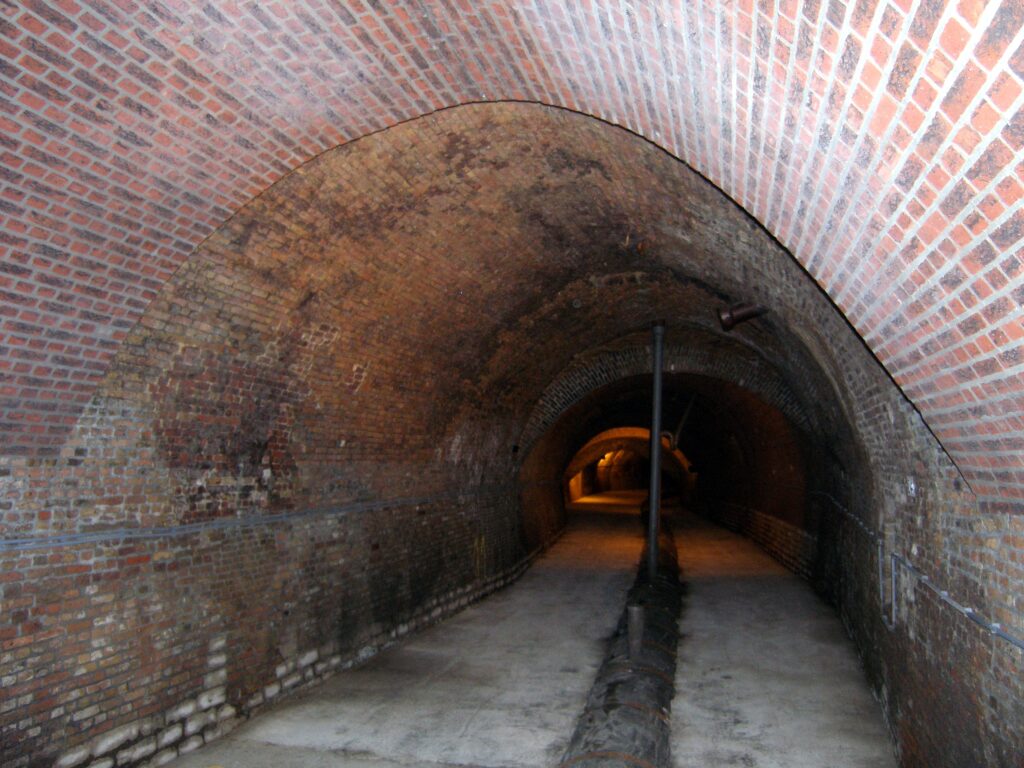
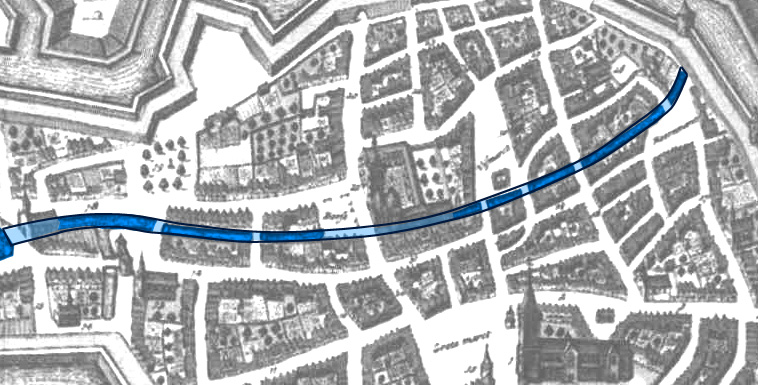
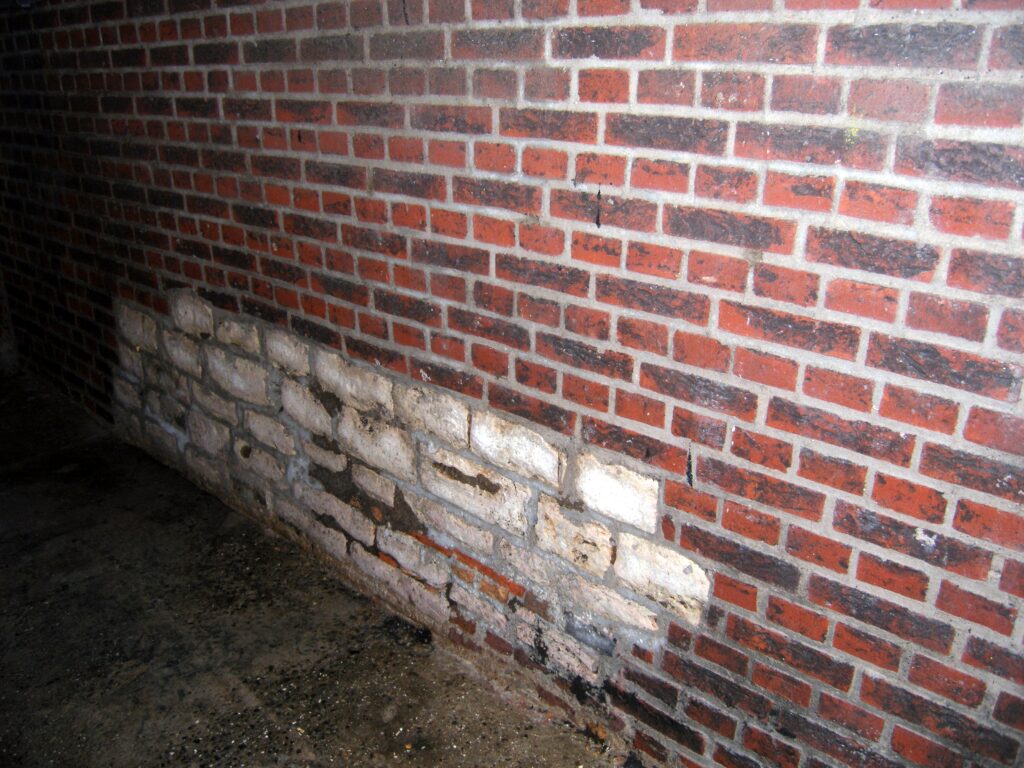
Beneath the streets of Bergen op Zoom's city centre lies one of the city's largest and most surprising monuments: De Grebbe. You can't see it from street level, but this national monument runs like a long brick tunnel under the houses. The vaults are more than a man's height, about four metres wide, and stretch for hundreds of metres. Once it was an important waterway, later it became a sewer, and today it is a unique place where you can literally walk under the city.
The Grebbe originated in the 13th century and was then still open and above ground. The water was used for transporting peat from the hinterland, the main fuel for heating homes. Over the centuries, the waterway became increasingly covered. What began as a lively water route slowly transformed into a covered canal and eventually into the city sewer for the houses above. No wonder it was once a paradise for rats.
In the nineteen-fifties, the old vaults were thoroughly restored as they were in a poor state of repair. Later, the entire structure was threatened with being engulfed in concrete, but thanks to protests from residents and heritage enthusiasts, De Grebbe was granted national monument status. This preserved its historical character, while the water is now neatly discharged via modern pipes.
Part of De Grebbe has been accessible to visitors since 2010, between Gevangenpoortstraat and the sculpture garden of the Markiezenhof. You can descend into this underground tunnel system via special entrances. Because it is still a sewer, gas can sometimes be released, but under supervision, it is an exciting and unique experience. A walk through De Grebbe feels like a journey of discovery through the hidden past of Bergen op Zoom.
Due to renovation, De Grebbe is currently closed to visitors. Expected to reopen in summer 2026 – please visit the website of the City guides for more information
SOURCE: https://nl.wikipedia.org/wiki/Grebbe_(Bergen_op_Zoom)
The content is protected by copyright. Copying is not possible.
 Nederlands Nederlands English (UK)
 Deutsch
 Français